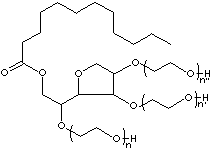
| POLYOXYETHYLENE SORBITAN LAURATE | ||||||||||||||||||||||||||||||||||||||||||||||||||||||||||||||||||||
|
PRODUCT IDENTIFICATION |
||||||||||||||||||||||||||||||||||||||||||||||||||||||||||||||||||||
| CAS NO. | 9005-64-5 |
| ||||||||||||||||||||||||||||||||||||||||||||||||||||||||||||||||||
| EINECS NO. |
| |||||||||||||||||||||||||||||||||||||||||||||||||||||||||||||||||||
| FORMULA | ||||||||||||||||||||||||||||||||||||||||||||||||||||||||||||||||||||
| MOL WT. | ||||||||||||||||||||||||||||||||||||||||||||||||||||||||||||||||||||
|
H.S. CODE |
||||||||||||||||||||||||||||||||||||||||||||||||||||||||||||||||||||
|
TOXICITY |
|
|||||||||||||||||||||||||||||||||||||||||||||||||||||||||||||||||||
|
SMILES |
|
|||||||||||||||||||||||||||||||||||||||||||||||||||||||||||||||||||
| SYNONYMS | Tween® 20; Polyoxyethylene Sorbitan Monolaurate; | |||||||||||||||||||||||||||||||||||||||||||||||||||||||||||||||||||
| POE (20) sorbitan monolaurate; Polysorbate 20; | ||||||||||||||||||||||||||||||||||||||||||||||||||||||||||||||||||||
|
CLASSIFICATION |
||||||||||||||||||||||||||||||||||||||||||||||||||||||||||||||||||||
|
PHYSICAL AND CHEMICAL PROPERTIES |
||||||||||||||||||||||||||||||||||||||||||||||||||||||||||||||||||||
| PHYSICAL STATE | pale yellow oily liquid | |||||||||||||||||||||||||||||||||||||||||||||||||||||||||||||||||||
| MELTING POINT | ||||||||||||||||||||||||||||||||||||||||||||||||||||||||||||||||||||
| BOILING POINT | > 100 C | |||||||||||||||||||||||||||||||||||||||||||||||||||||||||||||||||||
| SPECIFIC GRAVITY |
1.09 - 1.14 | |||||||||||||||||||||||||||||||||||||||||||||||||||||||||||||||||||
| SOLUBILITY IN WATER |
| |||||||||||||||||||||||||||||||||||||||||||||||||||||||||||||||||||
| pH | ||||||||||||||||||||||||||||||||||||||||||||||||||||||||||||||||||||
| VAPOR PRESSURE | ||||||||||||||||||||||||||||||||||||||||||||||||||||||||||||||||||||
|
REFRACTIVE INDEX |
| |||||||||||||||||||||||||||||||||||||||||||||||||||||||||||||||||||
|
NFPA RATINGS |
||||||||||||||||||||||||||||||||||||||||||||||||||||||||||||||||||||
|
AUTOIGNITION |
| |||||||||||||||||||||||||||||||||||||||||||||||||||||||||||||||||||
| FLASH POINT |
| |||||||||||||||||||||||||||||||||||||||||||||||||||||||||||||||||||
| STABILITY | Stable under ordinary conditions | |||||||||||||||||||||||||||||||||||||||||||||||||||||||||||||||||||
|
GENERAL DESCRIPTION & APPLICATIONS |
||||||||||||||||||||||||||||||||||||||||||||||||||||||||||||||||||||
|
Sorbitol is a white, sweetish, hygroscopic, crystalline sugar alcohol of
six-carbon. It is found naturally in various berries and fruits. Or it is
prepared synthetically by high-pressure catalytic hydrogenation of glucose sugar
derived from cornstarch. It melts at 93 to 98 C depending on the form. It is
used as a a sweetening agent, food additive, toothpaste, tobacco, toiletries and
in cosmetics. It is used for vitamin-C fermentation. It is used as a excipient
and intravenous osmotic diuretic in pharmaceutical fields. It is also used in
the manufacture of polyethers for polyurethanes and surfactants. The term
sorbitan describes the anhydride form of sorbitol, whose fatty acids are
lipophilic whereas sorbitol body is hydrophilic. This bifunctionality in one
molecule provides the basic properties useful in cleaners, detergents, polymer
additives, and textile industry as emulsifiers, wetting agents, and viscosity
modifiers. Sorbitan esters are rather lipophilic (or hydrophobic) surfactants
exhibiting low HLB (Hydrophilic-Lipophilic Balance) values; having an affinity
for, tending to combine with, or capable of dissolving in lipids (or
water-insoluble). While, the ethoxylated sorbitan esters are hydrophilics
exhibiting high HLB values; having an affinity for water; readily absorbing or
dissolving in water. The type of fatty acid and the mole number of ethylene
oxide provides diverse HLB values for proper applications.
HLB numbers describe following characterestics: <10 : Lipid soluble (or
water-insoluble) HLB values of sorbitan compounds are:
|
||||||||||||||||||||||||||||||||||||||||||||||||||||||||||||||||||||
| SALES SPECIFICATION | ||||||||||||||||||||||||||||||||||||||||||||||||||||||||||||||||||||
|
APPEARANCE |
pale yellow oily liquid | |||||||||||||||||||||||||||||||||||||||||||||||||||||||||||||||||||
|
HLB VALUE |
16.5(c.a) | |||||||||||||||||||||||||||||||||||||||||||||||||||||||||||||||||||
| ACID VALUE |
2.5 max | |||||||||||||||||||||||||||||||||||||||||||||||||||||||||||||||||||
| HYDROXYL VALUE |
95 - 110 | |||||||||||||||||||||||||||||||||||||||||||||||||||||||||||||||||||
|
SAP VALUE |
40 - 50 | |||||||||||||||||||||||||||||||||||||||||||||||||||||||||||||||||||
|
COLOR |
4 max (Gardner) | |||||||||||||||||||||||||||||||||||||||||||||||||||||||||||||||||||
| TRANSPORTATION | ||||||||||||||||||||||||||||||||||||||||||||||||||||||||||||||||||||
| PACKING | 200kgs in drum | |||||||||||||||||||||||||||||||||||||||||||||||||||||||||||||||||||
| HAZARD CLASS |
| |||||||||||||||||||||||||||||||||||||||||||||||||||||||||||||||||||
| UN NO. |
| |||||||||||||||||||||||||||||||||||||||||||||||||||||||||||||||||||
HLB VALUES |
||||||||||||||||||||||||||||||||||||||||||||||||||||||||||||||||||||
| PRICES | ||||||||||||||||||||||||||||||||||||||||||||||||||||||||||||||||||||
|
|
||||||||||||||||||||||||||||||||||||||||||||||||||||||||||||||||||||